
How to Get Started with Electrical Wiring: A Novice's Guide
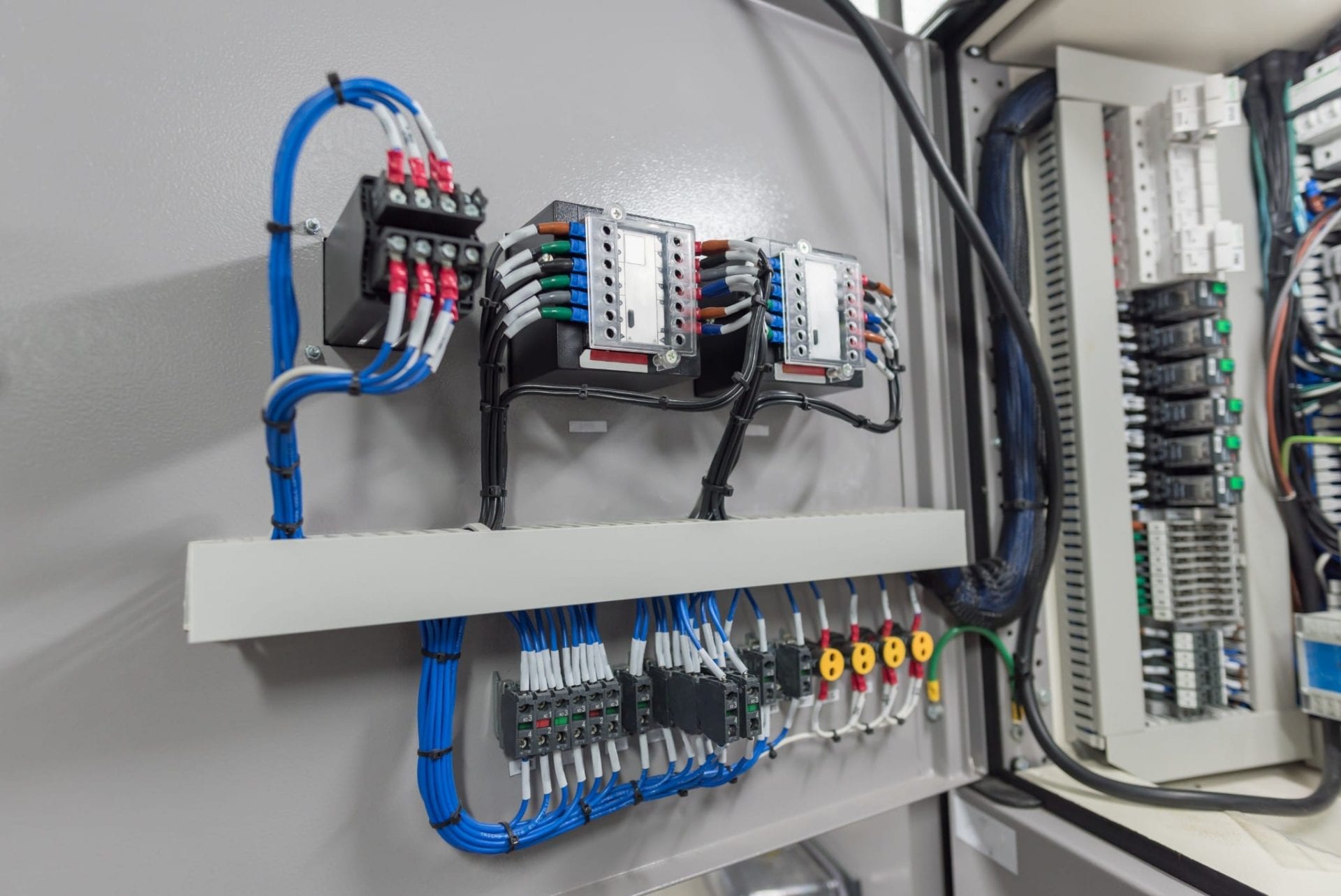
Electrical wiring is a crucial component of any home, and understanding it is essential for every homeowner. Not only does it help in ensuring the proper running of your house, but it is also critical to ensure your safety. In this article, we will examine the fundamentals of electrical wiring, the importance of safety and the advantages of hiring an authorized residential electrician to handle all of your electrical wiring requirements.
Understanding the basics of electrical wiring
Electrical wiring is the system of electrical conductors which run through your home, carrying electricity to your appliances or devices as well as lighting fixtures. It works by forming electrical circuits which connect your electrical power source with your gadgets. Electrical circuits consist of wires, switches, and other electrical components that work to form a secure and functional electrical system. There are many kinds of electrical wiring. These include aluminum, copper, and types of wire insulation like PVC or rubber.
Preparation and planning for electrical Wiring
Before you install the new wiring for electrical use, it is important to consider a variety of things to think about, including the type of wiring you need, the capacity of your electrical system and the power requirements you require. In addition, it is essential to be aware of the electrical wire regulations as well as permits that are required in your locality. To prepare your electrical wiring system, you must create an electrical plan and evaluate your electrical requirements. This will help ensure that your electrical system is secure efficient, reliable, and meets your power needs.
Materials and Tools Required for electrical wiring
When making new electrical wiring, it is essential to have the appropriate equipment and materials on hand. Essential tools include strippers, wire cutters pliers, and a voltage tester. Other materials needed for wiring electrically comprise electrical tapes, wire nuts conduit and electrical boxes. It’s also beneficial to have a wiring diagram to guide you through the process of installing.
Step-by-Step Instructions for Electric Wiring Installation
Installation of electrical wiring can be a complex process however, with the right tools and knowledge it can be accomplished quickly and safely. This is a step-by-step guide for installing new electrical wiring inside your home:
Switch off the power in the area where you will be working.
Plan the wiring layout and mark where the wire will be placed.
Install electrical boxes and conduit where necessary.
Cut and strip wires to the appropriate length.
Connect the wires to the devices or fixtures you are wiring.
Make sure the wires are secured with the wire nuts or electrical tape and conduit straps.
Test the wiring to ensure it is functioning properly.
In the process of installing it is essential to adhere to wiring installation best methods and suggestions. Be conscious of common mistakes you need that you should avoid while installing wiring like wiring circuits that are too large, using wires that are damaged, and using the incorrect type of wire to accomplish the task.
Troubleshooting Electrical Wiring Issues
Even with careful design in the installation and design, wiring issues may develop. Common problems include wiring damages, circuit overloads and electrical shorts. To troubleshoot these problems it is crucial to know about the most common electrical wiring problems and understand how to safely and effectively tackle the issue. It is also essential to adhere to electrical safety guidelines when attempting to solve electrical wiring problems, such as turning off the power source and wearing safety gear.
Conclusion
In the end, knowing about how your electrical wiring is wired in your home is crucial for your safety and the efficient operation the electrical systems. It is important to hire a licensed electrician to make sure your wiring is maintained and installed in a proper manner. We at Local Electrician Narre Warren, we provide an array of electrical services that include electrical wiring installation and repair. Reach out to Local Electrician Narre Warren at 1300 933 820 to discuss all your electrical wiring requirements.
Electrical Wiring FAQ
Here are some frequently asked questions about electrical wiring, as well as extra safety advice and the best practices for electrical wiring repair and installation:
What type of wire do I need to use for my electrical wiring?
The type of wire you choose to use for your electrical wiring will depend on the specific requirements of your home and local building codes. It is essential to choose the appropriate gauge of wire as well as the appropriate insulation type and wire material to ensure security and effectiveness of your electrical system.
Can I install myself my own wiring for electrical use?
While it is feasible to create your own electrical wiring, it is essential to have the proper skills and knowledge to complete the task in a safe and efficient manner. In the majority of cases it is advised to engage a licensed electrician to ensure your wiring is properly installed and maintained in a safe and secure manner.
How often should I have my electrical wiring inspected?
It is suggested to inspect your electrical wiring at least every 10 years, or when you notice symptoms of electrical malfunctions, such as frequent trips to the circuit breaker or electric shocks.
What should I do if I notice electrical wiring problems in my home?
If you spot any electrical wiring issues within your home, for example, flickering lights or outlets that don’t function, it’s important to fix them right away. Shut off power to the affected area and call an accredited electrician to evaluate and repair the problem.
By following these suggestions and best methods, you can be sure that your electrical wiring is secure and functioning correctly. Make sure you are taking safety into consideration and consult with a licensed electrician in the event of a need. Call Local Electrician Narre Warren at 1300 933 820 to discuss all of your electrical wiring requirements.